Nine Digital Curb Appeal Fixes That Put Your Business Back on the Map
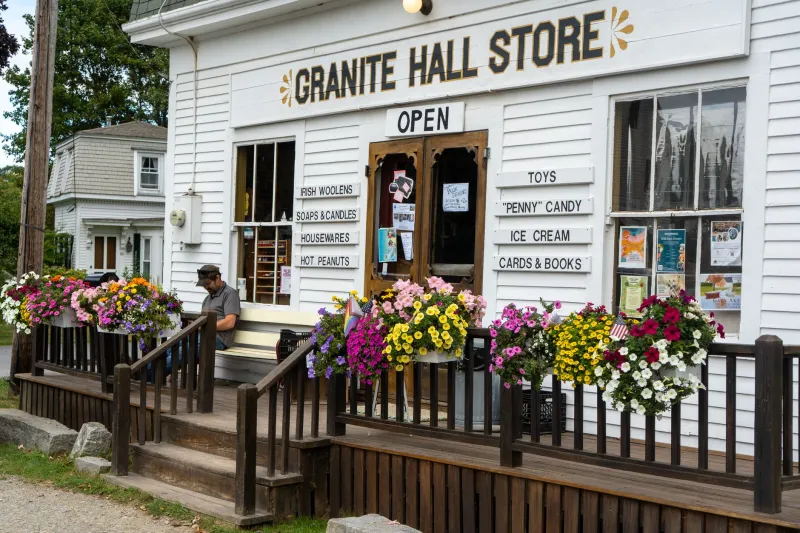
Fifty years ago, your success on Main Street came down to curb appeal: fresh paint, clean windows, a sign people could read from across the intersection. Today, the sidewalk is a search results page — and for local businesses across the US, your Google Business Profile is that storefront.
Here's the part that should keep you up at night: while Google search used to be about typing keywords, the rise of AI-assisted search means customers increasingly ask questions — "where's the best taco spot near me that's open late?" — and the answers get pulled straight from business profiles. If yours is stale, incomplete, or ignored, you're the shop with the busted awning on the digital Main Street.
The fixes below take an afternoon, cost nothing, and consistently move the needle.
Fix 1: Claim and Verify Your Turf
Sounds basic, but thousands of US businesses operate on unclaimed or duplicate profiles — sometimes two, competing with each other. Search your business name on Google. If you see "Own this business?" anywhere, claim it. Kill duplicates. You can't win a fight over territory you never officially staked.
Fix 2: Answer Every Single Review
Unanswered reviews — especially the unhappy ones — are the equivalent of a customer standing at your counter while you stare at the wall. Reply to everything, good and bad, within a week. Thank the fans, and for the critics, acknowledge, apologize, and take it offline. Prospective customers read your responses as a preview of how you'll treat them.
Fix 3: Nuke the Hours Confusion
Nothing torches goodwill faster than someone driving 20 minutes to find a dark storefront. Update holiday hours, seasonal changes, and vacation closures the moment they're set. Google even lets you post "holiday hours" in advance — use it.
Fix 4: Treat Photos Like Merchandising
Profiles with fresh, real photos dramatically outperform empty ones — and no, a decade-old stock image doesn't count. Upload your actual storefront, interior, team, and products. Then add new shots monthly. Google's algorithm reads recent photo activity as a sign of an active, engaged business.
Fix 5: Fill in the Categories — Precisely
Your primary category is one of the strongest local ranking signals. "Restaurant" is fine; "Tex-Mex Restaurant" is better. Add secondary categories for everything else you legitimately do. Vague categories make you invisible for the specific thing customers are actually looking for.
Fix 6: Write a Description That Sells, Not Fills
Most business descriptions read like a bland mission statement. Yours has 750 characters — use them to state what you do, who you serve, and what makes you different, front-loaded in the first 250 characters because that's what shows before the "more" link.
Fix 7: Turn On Messaging and FAQs
Google lets customers message you directly and lets you pre-answer common questions. Load it up: parking, appointments, warranties, what payment you take. Every question you answer in advance is one less reason for a potential customer to bounce to a competitor.
Fix 8: Post Like It's Social Media (Because It Kind of Is)
Google Posts — the update blurb on your profile — are wildly underused. Weekly posts about offers, events, or new arrivals keep your profile fresh and give AI-powered search more current material to cite when someone asks about you.
Fix 9: Seed Reviews Systematically
Reviews are the word-of-mouth engine of the digital storefront. Build a simple ask into your workflow: a text with a direct review link after a job well done, a QR code at the register, a line in your email signature. Aim for steady, recent reviews over a one-time flood — freshness matters to both Google and the people reading.
The Askable-Search Era Is Already Here
Here's why this matters more this year than last: as voice assistants and AI answer engines reshape how Americans find local businesses, these systems lean heavily on structured, current profile data — hours, categories, reviews, photos — to decide who gets recommended. The businesses with polished, active profiles get quoted. The neglected ones get skipped.
Your grandparents understood that a great location was half the business. The location moved online. Claim it, polish it, and make sure that when someone asks Google about you, your storefront looks open, welcoming, and impossible to walk past.