Your Marketing Budget Is Paying for Court Jesters. Here's How to Spot Them.
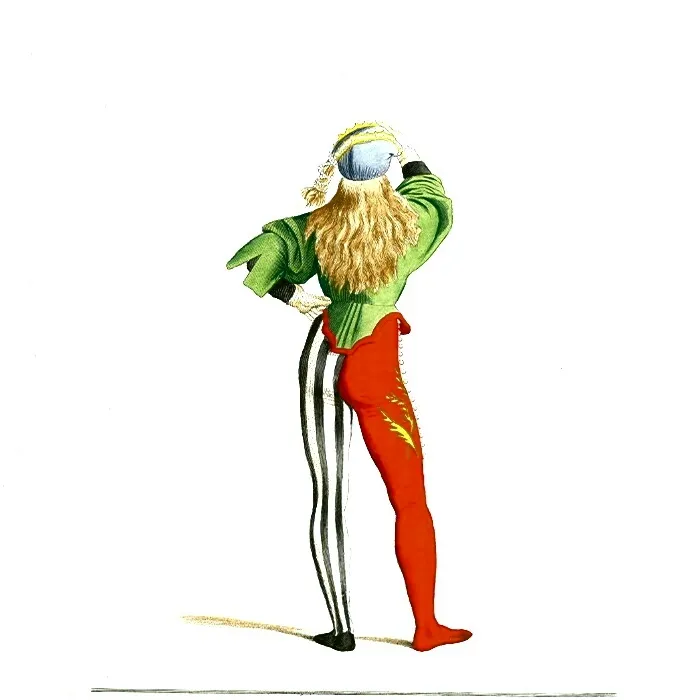
Photo: Paul Mercuri, Public domain, via Wikimedia Commons
Every kingdom has a jester. The one who jingles, flips, and keeps the crowd laughing while the real work happens somewhere else. In your marketing budget, the jester is that tactic everyone loves — the viral TikTok, the shiny award plaque, the cinematic brand video nobody finished watching — that has never once moved a lead, a call, or a dollar.
Here's the uncomfortable question: how much of your monthly spend is going to entertainment dressed up as strategy?
Jesters vs. Knights: Know the Difference
A jester gets attention. A knight gets results.
Neither is automatically bad. Jesters have a role — awareness, warmth, brand personality. The problem starts when a jester eats a knight's share of the budget and nobody notices, because the jester is so much fun to talk about at networking events.
Quick examples of each:
Classic jesters:
- That TikTok that hit 40,000 views and produced zero site visits
- Industry award plaques that impress your competitors, not your customers
- The $8,000 brand film that lives on a YouTube channel with 12 subscribers
- Branded merchandise nobody outside your team owns
Classic knights:
- Local SEO that puts you in the map pack when someone searches "near me"
- Email campaigns to a list you actually own
- Landing pages tied to a specific offer with a specific conversion goal
- Reviews programs that quietly close deals while you sleep
Notice something? Knights are rarely exciting. They just show up and win.
The Jester Audit: A Simple Scoring Rubric
Grab your last three months of marketing expenses. For every line item, score it 1–5 on four questions. Total score out of 20.
1. Can you trace it to revenue? (0 = no trail at all, 5 = clear attribution in your analytics or CRM)
2. Would a customer care? (Jesters impress peers; knights impress buyers. If your audience is other business owners, be suspicious.)
3. Does it compound? (A blog post that ranks for years scores high. A one-day viral moment scores low.)
4. Would you renew it tomorrow at full price? (Be honest. Gut answers reveal a lot.)
How to Read Your Scores
- 16–20: Knight. Protect it. Consider feeding it more budget.
- 10–15: Squire. Has potential, but it needs a job description. Tie it to a measurable goal this quarter or it stays a squire forever.
- 9 or below: Jester. It's on the cut list.
Run this with a co-founder or your bookkeeper in the room. Jesters survive in isolation. They don't survive witnesses.
Why Smart Owners Keep Funding Jesters
Three reasons, and we've seen them all:
Ego. The award plaque looks great in the lobby. But nobody has ever chosen a plumber because of a trophy.
Confusion between applause and results. Likes, views, and impressions feel like progress. They aren't. Applause is free; revenue is the only standing ovation that pays rent.
Sunk cost. "We already spent $6,000 on the video." The money's gone either way. The only question is whether you keep paying to store the jester's costume.
The Jester Cut List: Do This This Quarter
-
List every active tactic and subscription. Include the agency retainers, the tools, the sponsorships, the swag.
-
Score each one with the rubric above. Fifteen minutes. No exceptions.
-
Cut or convert everything under 10. Cut means cancel. Convert means give it a revenue job — turn that brand video into six ad creatives with a clear call to action, for example.
-
Reinvest the savings into one knight. Usually that's search visibility, email, or conversion-focused web design — the unglamorous stuff that compounds.
-
Set a 90-day check-in. If the cut tactics didn't hurt revenue (they won't), you've just found your raise.
Rule Your Market, Not the Room
The best kingdoms aren't the ones with the loudest court. They're the ones where every coin has a job. Entertain if you want — but make the jester earn his keep, and let the knights ride.
Run the audit. Kill the jesters. Fund the knights. Your P&L will thank you by the next quarter's close.